



Cervical Screening
and Human Papillomavirus (HPV)
Human Papillomavirus (HPV) is a common, sexually transmissible viral infection that can cause genital warts and cancers, such as cancer of the cervix, vulva, vagina, penis, anus, and some head and neck cancers. However, not all HPV infections lead to cancer, and most people with HPV may not have any symptoms or their virus clears on its own.
There are many different types of HPV. Low risk types may cause genital warts and minor changes in the cervix. High risk types can sometimes cause precancerous changes and cervical cancer.
Women and people with a cervix from 25 to 74 years of age are encouraged to have a Cervical Screening Test (CST) every five years to check for HPV.
Even if you are HPV vaccinated, it is still advised to do a CST because the vaccine does not protect against all types of HPV.
-
What are the symptoms of HPV?
-
How is HPV diagnosed?
-
Who can do a CST?
-
What are the self-collect instructions at Clinical Labs?
Self Collect Patient Instructions
Items required for self-collect:
- Clinical Labs request form signed by doctor (ensure self-collect HPV test is noted).
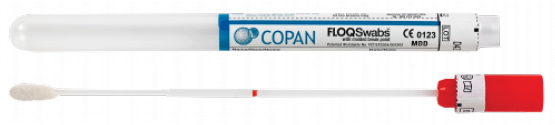
- Copan FLOQSwab® for vaginal self-collection (552C) (Red Top dry swab) – available from Clinical Labs.
- Only Copan FLOQSwab 552C is validated for use.
Steps for self-collecting:
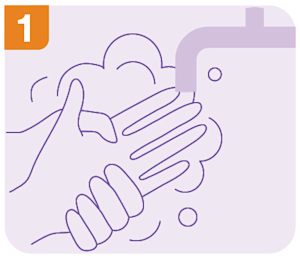
Before you collect your sample, ensure you have clean hands. To avoid contamination, do not remove the swab from the container until you are ready to collect your sample and do not use any lubricant.
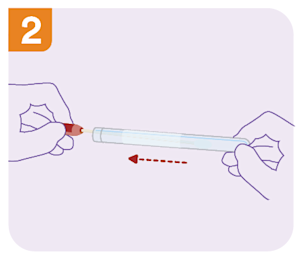
Once you are comfortable, remove the red cap and pull the swab out of the container.
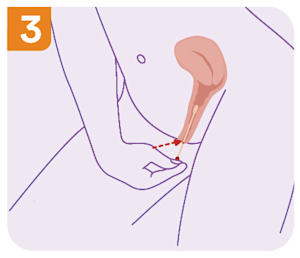
There is a red line halfway along the swab. Insert the front part of the swab inside your vagina aiming for this red line.
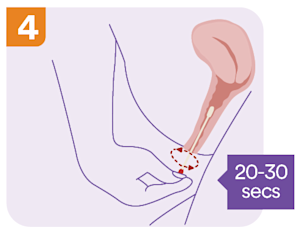
Once the swab is correctly inside your vagina, rotate it gently in a circular motion for 20-30 seconds.
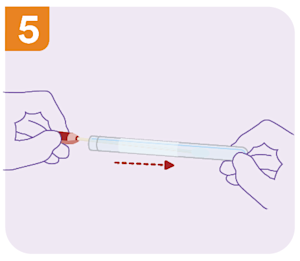
Remove the swab, place it back in the container and gently secure the cap.
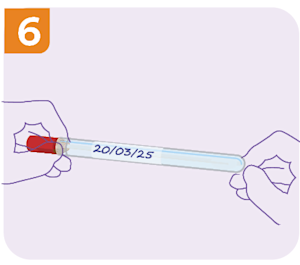
Return the self-collect swab to the medical practice or Clinical Labs collection centre with the request form with priority. Please ensure the Collection Date is labelled on the container.