Helicobacter Pylori Breath Testing

Helicobacter pylori
Testing

H. pylori is a common bacteria found in the stomach. In Australia, about 25–30% of people are infected, usually during childhood through close contact. While many people don’t feel sick, the infection can lead to long-term stomach inflammation and serious problems like ulcers, vitamin deficiencies and even stomach cancer. H. pylori is linked to over 80% of duodenal ulcers and 60% of gastric ulcers. Once diagnosed in adults, treatment is recommended to clear the infection and prevent complications. 

  • Who should be tested for H. pylori

    In adults, testing is recommended for: 

    • A confirmed stomach or duodenal ulcer 
    • Ongoing indigestion without an ulcer 
    • Unexplained iron deficiency after other causes are ruled out 
    • Before starting long-term use of anti-inflammatory medicines like NSAIDs or aspirin 
    • Checking if treatment has successfully cleared the infection 

    In children, testing is usually only performed if they have a confirmed ulcer or during endoscopy when treatment is planned. These cases should be managed by a specialist.   

  • How is H. pylori diagnosed? 

    Testing depends on your symptoms and whether you need an endoscopy. If not, doctors usually use non-invasive tests such as the Urea Breath Test or Stool Antigen Test, which can detect active infection. These tests are also used to check if treatment has worked, but only at least 4 weeks after completion of antibiotic therapy, not sooner.  

    1. Urea Breath Test 

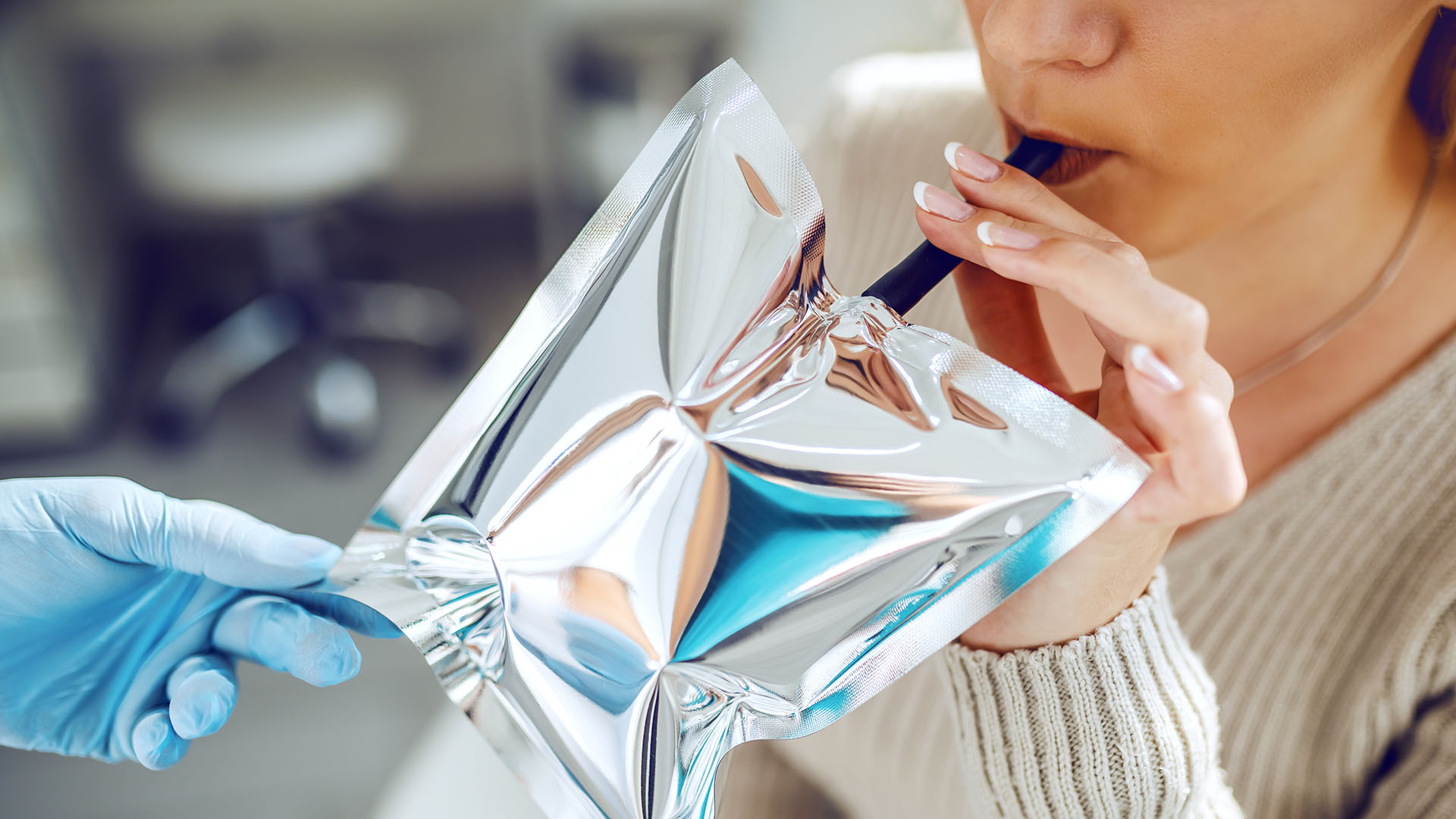
    You’ll swallow a capsule and breathe into a balloon. If H. pylori is present, it will show up in your breath. This test uses a very small amount of a naturally occurring radioactive substance (14C), with radiation exposure similar to one day of background radiation, much less than a standard X-ray.  It’s safe for most adults but not recommended during pregnancy, breastfeeding or for children under 12. 

    2. Stool Antigen Test 

    This test checks for H. pylori in a stool sample. It’s accurate, easy and recommended during pregnancy, breastfeeding and for children under 12. 

    3. Blood Test 

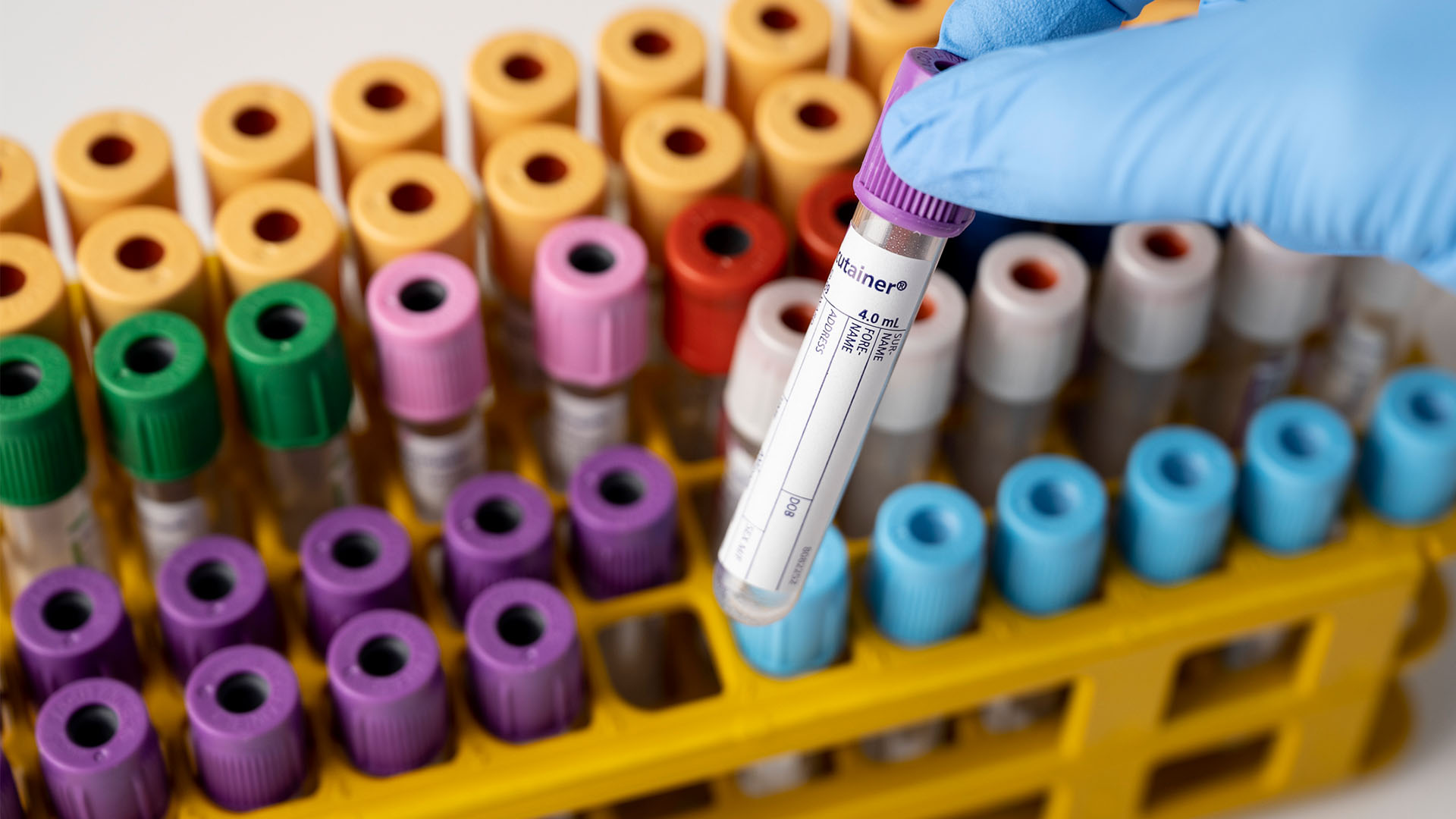
    This test looks for antibodies to H. pylori but can’t tell if the infection is current or past, so it’s not useful after treatment.  

    4. Endoscopy with Biopsy 

    If symptoms are more serious or treatment hasn’t worked, an endoscopy with biopsy may be needed. A small tissue sample is taken from the stomach for testing. This is done under specialist care. 

  • How do I prepare for my Urea Breath Test for H. pylori? 

    For instructions on how to prepare for the Urea Breath Test, including which medications need to be stopped and for how long, please click here.    

  • How do I prepare for my Stool Antigen Test for H. pylori? 

    For instructions on how to prepare for the Stool Antigen Test, including which medications need to be stopped and for how long, please click here.    

  • Where can I have my Urea Breath Test?  

    After receiving a request form from your doctor, you can visit any Clinical Labs collection centre across Australia. We accept all pathology request forms. For locations and current opening hours, visit our locations page.

  • What is the treatment for H. pylori

    The main goal of treatment is to successfully eradicate H. pylori on the first attempt. The recommended approach is triple therapy, which includes two antibiotics combined with a proton pump inhibitor (PPI). Improved eradication rates have been observed with a 14-day course of therapy. 

  • Do I need a follow-up test? 

    If you've been treated for H. pylori, a follow-up test is usually needed to confirm the infection is gone. Only the urea breath test and stool antigen test can detect active infection. This test should only be performed at least 4 weeks after completion of antibiotic therapy, not sooner. These tests are also helpful if earlier results were unclear due to certain medications or bleeding during an endoscopy.