



Primary aldosteronism: A collaborative approach for diagnosis in hypertensive patients (National)
By Dr Tony Mak
Published June 2022
Primary aldosteronism (PA), also known as Conn’s syndrome, is autonomous secretion of aldosterone by a tumour or hyperplasia of the adrenal glands resulting in hypertension. This condition is remarkably underdiagnosed. We advocate for a collaborative approach to enhance its recognition.
Why screen for primary aldosteronism
PA is the most common secondary hypertension. Among the hypertensive patients in primary care, 5-10% have the condition.1 It has been demonstrated that PA gives rise to more severe end organ damage in comparison to primary hypertension: stroke, myocardial infarction, atrial fibrillation and death from cardiovascular causes.2 Once diagnosed, specific surgical intervention or medical treatment can lessen the damage and may even cure the hypertension.2 It is therefore beneficial to diagnose and control the condition as early as possible.
Whom to screen1
Patients with hypertension which is difficult to control or associated with one or more of the following conditions should be screened for PA:
- Hypokalaemia
- Adrenal incidentaloma
- Sleep apnoea
- Family history of hypertension or cerebrovascular accident occurring at a young age
- First-degree relatives with PA
How to diagnose
After appropriate preparations, an early morning blood specimen taken after at least two hours in the ambulatory position is measured for renin and aldosterone to derive an Aldosterone/Renin Ratio (ARR). A high ARR signifies a positive screening result.1,3,4
Why the screening test is underutilised
Given the high prevalence, the more severe consequences and the potentially curable nature of the condition, it is unsatisfactory that only an extremely low proportion of hypertensive patients in general practice are screened for PA.1 This gap signifies that there are some obstacles in the process. Awareness of the condition is one. Fortunately, within our community, numerous excellent efforts have been made to raise awareness.1,3,4 Secondly, the apparently “simple” screening test can be difficult. Laboratories use different renin and aldosterone assays, and the numerical cut-off ARR values are not the same and can be confusing.
Most importantly, it is widely known that the commonly used antihypertensive drugs interfere with the diagnostic tests in different directions and magnitudes. Whilst sustained-release verapamil, prazosin, moxonidine and hydralazine have minimal effects on the screening test, how to modify antihypertensive drug treatment to prepare a patient for the screening test can be daunting.
Some researchers have tried to simplify this step by minimising or even eliminating drug changes.2,3,5 Interpretation of the results, of course, need to take into account the possible effects of the remaining drugs in use.
Practitioner and pathologist collaboration for testing
A collaborative approach can overcome PA screening hurdles. The primary and most important role of a general practitioner in this process is to identify patients indicated for the screening test. Once identified, a pathologist can be engaged to recommend steps to optimise patient preparations. The pathologist can advise on correction of potassium status, other patient preparations for specimen collection, modification of antihypertensive treatment if required and interpretation of the screening test result.
For patients with a positive screening result, referral to an endocrinologist or a hypertension specialist should be made to confirm the diagnosis and determine the subtype. With this collaborative approach, more hypertensive patients can benefit from an earlier detection of the condition.
Special note: This short article is meant to be a concise summary of PA. For comprehensive reviews, several excellent local publications are available.1,2,4
How to order
- Identify hypertensive patient as meeting the recommendations for screening, as listed above.
- Engage with your local Clinical Labs chemical pathologist to discuss patient preparations for an optimised screening result. Please call 1300 134 111 to speak to your local pathologist today.
- Provide patient with referral form for Aldosterone/Renin Ratio testing with Clinical Labs.
- Contact your local Clinical Labs chemical pathologist to discuss how to interpret patient results for diagnosis of PA.
References
- Lim YY, Shen J, Fuller PJ, Yang J. Current pattern of primary aldosteronism diagnosis: Delayed and complicated. Aust J Gen Pract. 2018 Oct;47(10):712-718.
- Byrd JB, Turcu AF, Auchus RJ. Primary Aldosteronism: Practical Approach to Diagnosis and Management. Circulation. 2018 Aug 21;138(8):823-835.
- Gurgenci T, Geraghty S, Wolley M, Yang J. Screening for primary aldosteronism: How to adjust existing antihypertensive medications to avoid diagnostic errors. Aust J Gen Pract. 2020 Mar;49(3):127-131.
- Siru R, Conradie JH, Gillett MJ, Page MM. Approach to the diagnosis of secondary hypertension in adults. Aust Prescr. 2021 Oct;44(5):165-169.
- Łebek-Szatańska A, Papierska L, Glinicki P, Zgliczyński W. Withdrawal of all medications is not necessary for accurate screening for primary aldosteronism: preliminary results. Pol Arch Intern Med. 2021 Jun 29;131(6):578-581.
About the Author

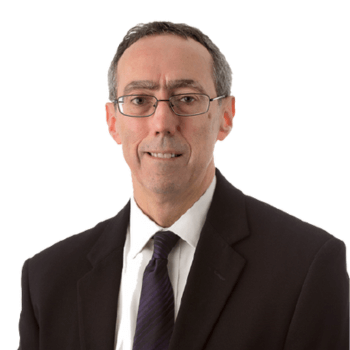
Dr Tony Mak
MBBS MBA FRCPA FRCPath- toxicology
Dr Tony Mak is a chemical pathologist who graduated from the medical school of the Chinese University of Hong Kong. Before migrating to Australia, Tony worked as a consultant chemical pathologist at Princess Margaret Hospital – a major acute district general hospital in Hong Kong.
Tony founded, developed, and operated the highest level clinical toxicology laboratory in Hong Kong. He led his team to develop numerous useful analyses to solve many difficult clinical toxicology problems with public health implications, including Chinese medicine related poisoning, plant-related poisoning, novel psychoactive substances, slimming agents and related problems, drug adulteration and counterfeit drugs.
Tony held numerous management roles in Hong Kong including Head of the Department of Pathology, Service Director (Quality and Safety) and Deputy Hospital Chief Executive. He has published more than 100 articles in international peer-reviewed academic journals and a number of books.
We are excited to announce Tony’s new role as Clinical Director, Chemical Pathology for Clinical Labs in WA.
Local Pathologists
 Pathologist

 Pathologist