



Allergen-Specific
IgE Testing
A Guide for Clinicians. Listen to the patient, they’ll tell you the diagnosis.
By Associate Professor Louise Smyth
Published November 2025
Allergy is clinically, economically and socially important, affecting approximately 30% of Australians. It can be life-threatening, result in lost school or work attendance and be intensely unpleasant for the patient.
Allergy assessment in routine clinical practice
All secondary immune responses result from previous exposure, including allergy, although that exposure may be difficult to identify (e.g. food allergens in infants or toddlers). The exposure history is usually centred on the clinical manifestation of allergic or possible allergic symptoms and signs. These may be obvious, particularly with food allergy where oral symptoms may arise within seconds to minutes following exposure (oral allergy syndrome, OAS), or they may require more or less detailed examination of the environment.
Some simple approaches may be useful in persons with limited allergies: pollens are prominent outdoors in spring and summer; house dust mite indoors and year-round; animal dander following specific exposures.
There are also many overlapping allergies due to the fact that allergens are often highly conserved, shared peptides in related species (e.g. certain foods, pollens, insects). This information is important in selecting laboratory testing for specific IgE, which can be used to manage severe or nuisance allergies through avoidance and/or immunotherapy.
Both skin prick testing (SPT) and serum-specific IgE are useful for identifying the presence of allergen-specific IgE in a given patient and are useful in the assessment of allergic rhinitis. However, the presence of antibody does not equal disease, and results must be interpreted in the clinical context.
Common respiratory allergens
- House dust mite
- Pollen
- Animal dander
- Mould
Food allergens
Food allergens present several diagnostic difficulties, partly because only certain foods or components are mandated in labelling by Australian food standards, and partly because of unseen contamination (e.g. during food preparation). Furthermore, some non-food items (e.g. cosmetics) may contain food allergens. Food ingestion may result in a variety of clinical manifestations, ranging from OAS and skin reactions to life-threatening anaphylaxis. Most food allergens are primarily managed by avoidance, but diets can be restrictive, so it is important to correctly identify the relevant allergen.
According to current information, ASCIA states that food allergy occurs in around 2-4% of Australian and NZ adults, with increased numbers in childhood (5-10%) and up to about 10% in infants. Again, SPT and specific IgE are useful for identifying the presence of allergen-specific IgE in a given patient. Elimination diets and challenge may be required but should be conducted under specialist advice and supervision.
Common food allergens
- Egg
- Cow’s milk
- Peanut
- Tree nuts (most commonly cashew, pistachio, hazelnut and walnut)
- Sesame
- Soy
- Fish
- Shellfish
- Wheat
Adverse drug reactions (ADRs)
Adverse drug reactions are probably the most complex clinical events requiring consideration of an allergic response. ADRs are classified Type A if they are predictable due to the known properties of the drug and Type B if they are unpredictable or idiosyncratic. Type B reactions include allergic reactions that may be IgE-mediated immediate responses (including anaphylaxis) or several cell-mediated immune responses.
The clinical history is crucial in assessing drug reactions of all types. While serum-specific IgE is available for the investigation of some potential drug allergies, specialist clinical assessment some be required. It is important to consider de-labelling some patients who believe they are penicillin-allergic, since potentially important therapeutic interventions may be unnecessarily curtailed.
Insect venoms
Insect venoms are an important cause of allergy, including anaphylaxis. Specific IgE is available for most clinically important insect venoms.
For further information about allergy testing at Clinical Labs, including our doctor brochure, allergen-specific IgE order form, clinical articles and current pricing, click here.
If you enjoyed this article, subscribe to our electronic Pathology Focus newsletter.

How to Order Allergen-Specific IgE Testing
Complete a Clinical Labs General Pathology Request Form, specifying serum-specific IgE testing. To indicate the specific allergens or mixes required, use the Allergen-Specific IgE Order Form.
Please be as specific as possible in your selections, based on the patient’s detailed clinical history.
Blood samples can be collected at any Clinical Labs collection centre.
Please note:
Allergen mixes are best used to refine the direction of individual allergen requests, which have better sensitivity and specificity prior to treatment.
In children, due to lack of sensitivity and specificity, and to prevent unnecessary food avoidance, testing for individual allergens is preferred over mixes.
When one penicillin allergen is ordered for sensitivity testing, such as Amoxycillin, Clinical Labs will routinely test all four available penicillins individually as standard practice.
Medicare will fund up to four patient episodes of Allergen-Specific IgE testing within any 12-month period. Each episode may include four single allergens, four allergen mixes or any combination of four allergens and mixes. If tests are not ordered together, each additional episode will require a new referral and specimen collection. Any tests requested beyond this limit will incur an out-of-pocket cost to the patient.
Test requests beyond this limit will incur an out-of-pocket cost to the patient of $15 per individual allergen or allergen mix.
References
Gell, P. G. H. & Coombs, R. R. A. (1963). Clinical aspects of immunology. 1963 Blackwell Scientific. Oxford.
Hellman Lars Torkel, Akula Srinivas, Thorpe Michael, Fu Zhirong. Frontiers in Immunology. 2017, Vol. 8, p1749. https://doi.org/10.3389/ fimmu.2017.01749
Dreborg, S. World Allergy Organization Journal (2015) 8:37 http://doi: 10.1186/s40413-015-0088-6
Australian Society of Clinical Immunology and Allergy www.allergy.org.au
About the Author

Associate Professor Louise Smyth
BA(Hon1) MBBS GCUT DipHPE FRCPAAssociate Professor Louise Smyth
BA(Hon1) MBBS GCUT DipHPE FRCPA- allergy
- autoimmunity
- immune deficiency
- transplantation
Associate Professor Smyth is a graduate of the University of Western Australia and a Fellow of, and current State Councillor of the RCPA. Associate Professor Smyth designed and implemented the Pathology programme for the School of Medicine at the University of Notre Dame Australia, Fremantle, where she is a founding member of, and Associate Professor in the School of Medicine. She has a Graduate Certificate in University Teaching, qualifying her to supervise candidates for higher degrees as well as teaching undergraduate students. She is most interested in autoimmunity but has extensive experience including autoimmunity, transplantation, immune deficiency and allergy. Her publications are predominantly in the field of Bone Marrow Transplantation. Dr Smyth joined St John of God Pathology (now Australian Clinical Labs) in 2016.
Local Pathologists
 Pathologist

 Pathologist
Related Pages
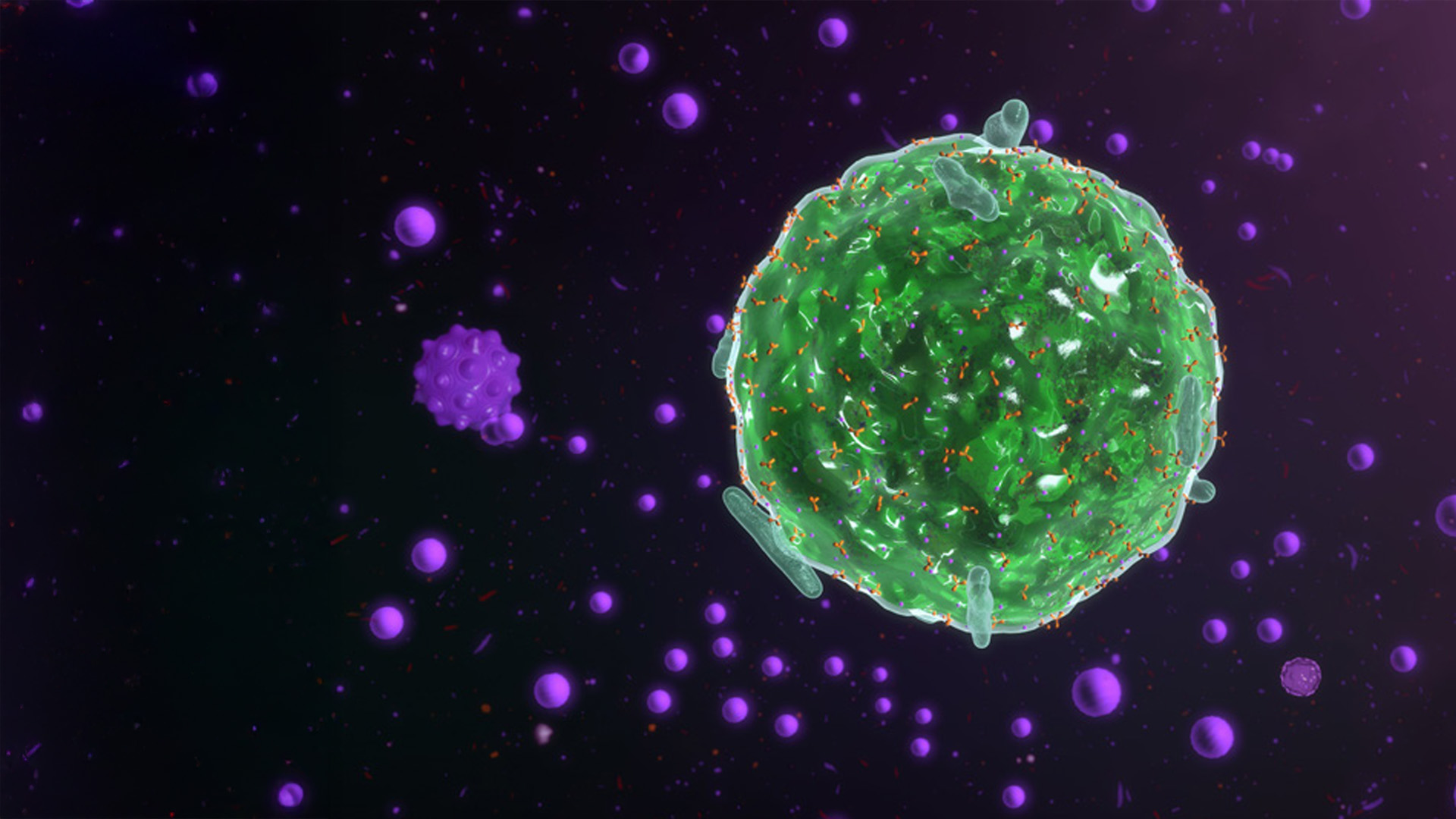
Assessing Allergy in Clinical Practice
Associate Professor Louise Smyth explains the clinical significance of allergy, immune responses and the role of accurate testing in managing allergic conditions.
Allergy Testing
Serum-specific IgE testing helps confirm allergen sensitivities and guide management of IgE-mediated conditions.

Calprotectin & IBD
In this clinical article, Associate Professor Louise Smyth discusses the role of calprotectin testing in the diagnosis and management of IBD.