


HLA Genotyping
for Coeliac Disease
Genetic Susceptibility in Coeliac Disease and the Clinical Role of HLA Genotyping
By Associate Professor Mirette Saad
Published November 2025
Coeliac disease (CD), also known as gluten-sensitive enteropathy, is a chronic autoimmune disease resulting from the inflammatory response to dietary gluten found in wheat, barley and rye in genetically predisposed patients. This article focuses on HLA typing in CD.
Epidemiology
Coeliac disease affects approximately 1% of the global population, and approximately 1 in 70 Australians have CD, with females being more commonly affected. Despite the rise in the prevalence and incidence of CD over time, only 20% of patients are diagnosed. Many patients remain undiagnosed or experience significant delays in diagnosis.
Clinical Presentation and Diagnostic Workup
CD diagnosis for patients on a gluten-containing diet is supported by a positive tissue transglutaminase serologic test but, in general, should be confirmed by a small bowel biopsy (gold standard diagnostic workup) showing the characteristic histology associated with CD.
Clinical manifestations of CD vary greatly according to age group. Diarrhoea and malabsorption are classic manifestations of CD; however, both children and adults can be paucisymptomatic and present extra-intestinal manifestations and systemic complications (Table 1). The National Institute for Health and Care Excellence (NICE) guidelines recommend testing for CD in patients presenting with classical and non-classical presentations, including chronic fatigue. An association between CD and autoimmune disorders and family history has been well documented (Table 1).
Table 1: Classical and Non-Classical Presentations and Indications for CD Testing

| Classical | Non-Classical |
|---|---|
| - Bloating or abdominal distension; chronic diarrhoea or constipation, or abdominal pain and
vomiting - Positive family history of first-degree relatives | - In childhood: developmental delay, failure to thrive and neurologic symptoms - In adulthood: sudden or unexpected weight loss - History of clinical autoimmune disease (such as type 1 diabetes mellitus, autoimmune thyroid disease, Sjögren's syndrome, IBD and multiple sclerosis) - History of iron deficiency anaemia, folate, vitamin D, vitamin K and calcium deficiency - History of bone disease such as osteoporosis and arthritis in adults - History of Trisomy 21 (Down syndrome) and Turner syndrome - Patients with chronic fatigue, weakness or hair loss |
Genetic Disposition of CD
The main determinants for genetic susceptibility are the human leukocyte antigen (HLA) class II genes, particularly HLA-DQA1 and HLA-DQB1 genes encoding for HLA-DQ2 and HLA-DQ8 molecules, which are carried by almost all affected patients.
HLA susceptibility sets of alleles are expressed in a codominant manner. One set of alleles is inherited from each parent.
Approximately 90% of CD patients carry the heterodimer HLA-DQ2.5, leaving only a small proportion of patients with lower-risk heterodimers (HLA-DQ8 or HLA-DQ2.2).
HLA "Gene-Dose Effect" and CD Relative Risk
HLA genotyping is considered a solid support in the diagnostic algorithm of CD. Unlike CD serology and intestinal histology, genotyping is a once-only test that is not reliant on gluten consumption for accuracy.
Both haplotypes, HLA-DQ2 and HLA-DQ8, encode molecules on antigen-presenting cells (APCs) that orchestrate the immune response to deamidated gluten, playing a crucial role in the development and pathogenesis of CD. The "gene dose effect" has implications on CD development and disease phenotype (Table 2). Compared to other heterodimers, HLA-DQ2.5 has the potential to bind and form strong complexes with the immune-dominant gluten peptides on APCs. Therefore, individuals with the HLA-DQ2.5 heterodimer have a higher risk of developing CD (Table 2).
Table 2: HLA Typing and Relative CD Risk
| HLA Haplotype | CD Relative Risk |
|---|---|
| HLA-DQ2.5 | High |
| HLA-DQ2.5/DQ8 | High |
| HLA-DQ8 | Moderate |
| HLA-DQ2.2 | Low |
| HLA-DQA1*05 | Very Low |
| Negative HLA-DQ2 and HLA-DQ8 | May exclude a diagnosis of CD (likelihood of CD <1%) |
Recommendations for the Appropriate Clinical Use of HLA Typing in CD
The main utility of HLA typing is to assist with diagnostic risk stratification of CD. Due to a very high negative predictive value (NPV), a negative result for the HLA susceptibility genotypes virtually excludes CD. Positive results indicate CD risk, but it cannot confirm the diagnosis. Genetics alone do not cause the condition, as many people with these genes never develop CD. Supportive evidence with serology and diagnostic small intestinal biopsy is required.
If you enjoyed this article, subscribe to our electronic Pathology Focus newsletter.

How to Order HLA Genotyping for Coeliac Disease
Complete the Clinical Labs general pathology request form, requesting HLA genotyping for CD, DQ2/DQ8 or Coeliac disease genotypes.
Blood samples can be collected at any Clinical Labs collection centre.
Include family history and associated symptoms or conditions.
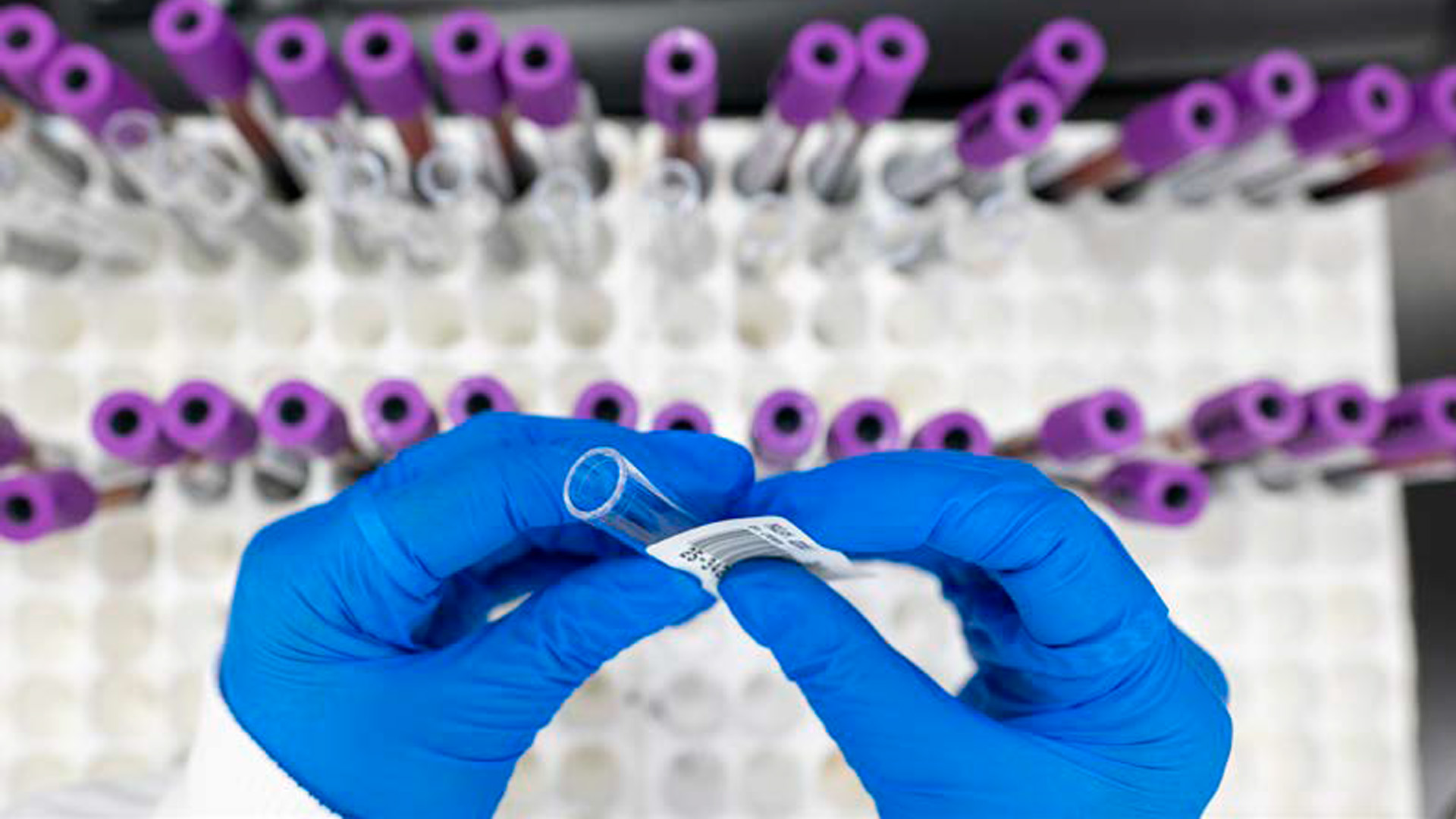
EDTA tube
Bulk-billed, subject to Medicare eligibility criteria. See MBS Item 71151 at mbsonline.gov.au.
7-10 business days from sample receipt in the lab.
Coeliac serology, nutritional status, iron studies.
References
NICE Clinical Guideline. 2015 https://www.nice.org.uk/guidance/ng20/resources/coeliac-diseaserecognition-assessment-and-management-pdf-1837325178565
Tye-Din et al. 2015
About the Author

Associate Professor Mirette Saad
MBBS(Hons) MD(Hons) MAACB FRCPA PhDAssociate Professor Mirette Saad
MBBS(Hons) MD(Hons) MAACB FRCPA PhD- antenatal screening
- cancer genetics
- clinical research and medical teaching
- endocrine
- fertility testing
- molecular genetics
- nipt
- precision medicine
Associate Professor Mirette Saad is a Consultant Chemical Pathologist and the National Director of Molecular Genetics at Australian Clinical Labs. She has a Fellowship with honours in Chemical and Molecular Pathology, with Microbiology sub-speciality, from overseas. A/P Saad received her NHMRC sponsored PhD degree in Cancer Genetics from Melbourne University and Peter MacCallum Cancer Institute. Along with her teaching and research roles, A/P Saad is a registered medical practitioner with AHPRA, a Chemical Pathology Fellow (FRCPA) at the Royal College of Pathologists of Australasia and a Member of the Australasian Association of Clinical Biochemists (MAACB). She is a Chair of the RCPA Chemical Pathology Advisory Committee, Member of the RCPA Genetic Advisory Committee, AACB and a Chair of the Precision Medicine Services at Australian Clinical Labs. At Clinical Labs, A/Prof Mirette Saad leads the Molecular Genetic testing for NIPT, antenatal screening, personalised drug therapy and cancer.
Related Pages

Coeliac Disease
Emeritus Professor Ban-Hock Toh outlines the importance of accurate diagnosis in coeliac disease to prevent serious complications and improve patient outcomes.


Calprotectin & IBD
In this clinical article, Associate Professor Louise Smyth discusses the role of calprotectin testing in the diagnosis and management of IBD.

Inflammatory Bowel Disease
Associate Professor Louise Smyth examines the evolving epidemiology and diagnostic challenges of inflammatory bowel disease to improve early detection and patient outcomes.