


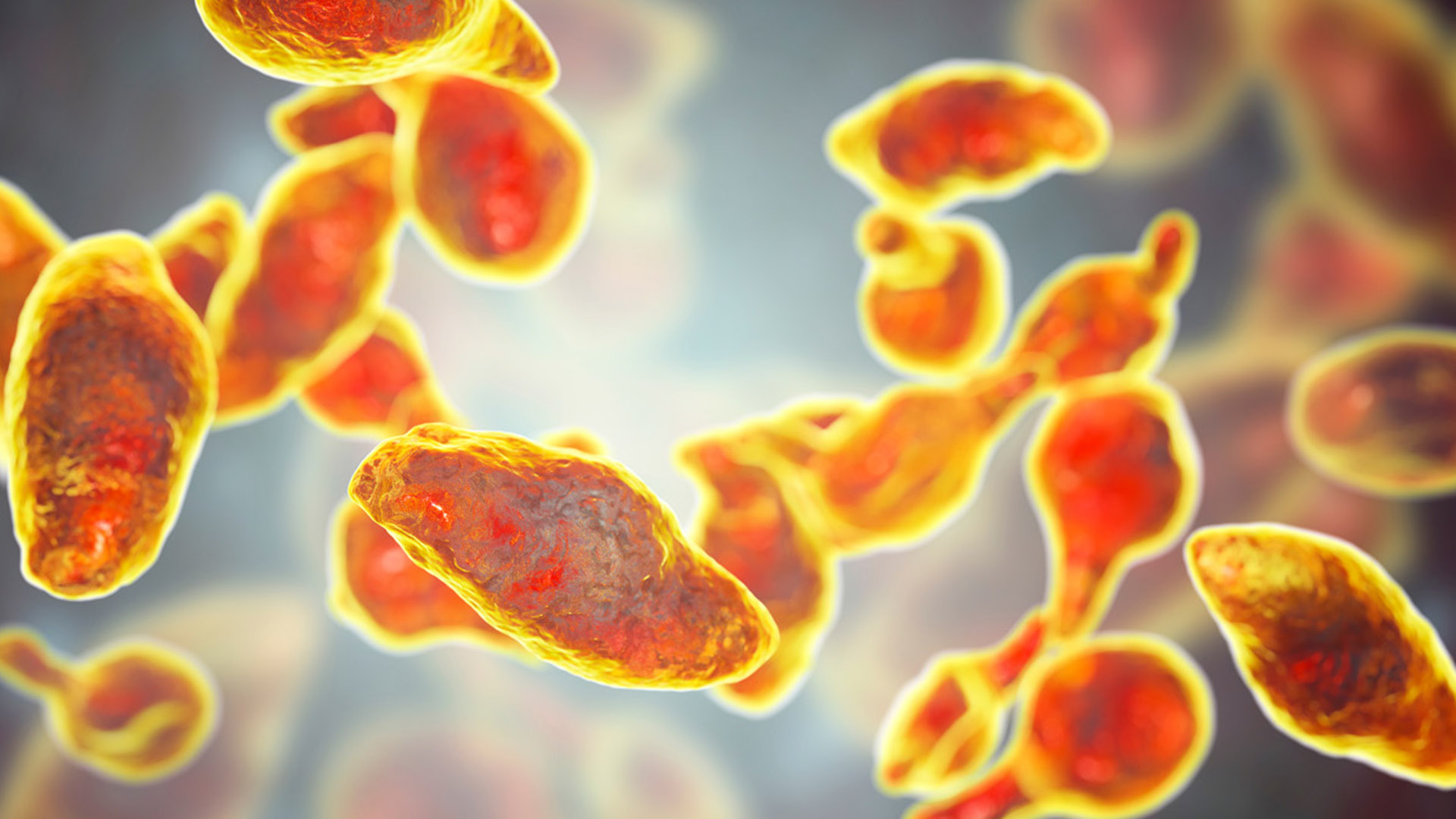
Mycoplasma genitalium
Mycoplasma genitalium is a small bacterium with no cell wall, so traditional methods of Gram stain and culture cannot be used to detect and identify it. Nucleic acid amplification testing (NAAT) is recommended for detection of this organism.
-
Prevalence in Australia
-
Symptoms
-
Treatment
-
Test of Cure
-
How to Order Mycoplasma genitalium Testing
Who to Test:Testing should be performed on patients with persistent or recurrent urethritis or cervicitis once chlamydia and gonorrhoea have been ruled out and symptoms persist despite therapy.
Testing should also be performed on patients with PID or post-coital bleeding.
Current sex partners of patients being treated for symptomatic M. genitalium infection should also be tested, even if they are asymptomatic.
Clinicians should not routinely screen for M. genitalium in asymptomatic individuals.
Request Form Instructions:Complete the Clinical Labs General Pathology request form, listing the required tests.
To order Mycoplasma genitalium, please specify M genitalium PCR and macrolide resistance test.
Clinical Notes:Please provide adequate clinical details, including STI risk factors (if relevant), to assist with the processing of the samples and interpretation of results in our microbiology laboratory.
Specimen Details:Two dry swabs are required, one for PCR testing and one for macrolide resistance testing.
Alternatively, a first-pass urine sample is also acceptable.
Molecular tests are required to identify this organism and are approved for use on urine, endocervical, vaginal and urethral swabs.
Throat swabs are not recommended, as pharyngeal infection is uncommon.
Note: Vaginal swabs are more sensitive than FPU samples in female patients.
Test Cost:Bulk-billed, subject to Medicare eligibility criteria.
Additional Resources:
Local Pathologists
 Pathologist

 Pathologist
 Pathologist
Related Pages
Mycoplasma genitalium
Dr Stella Pendle provides detailed guidance on testing for Mycoplasma genitalium, an increasingly challenging STI to treat due to rising global antimicrobial resistance.

Trichomonas vaginalis
Dr Sudha Pottumarthy-Boddu discusses the symptoms, diagnosis and treatment of Trichomonas vaginalis, the most common curable non-viral STI worldwide.
STI Testing
Clinical guidelines for STI testing in asymptomatic patients, including opportunistic screening strategies and recommendations for managing co-infections.