Chlamydia

Chlamydia

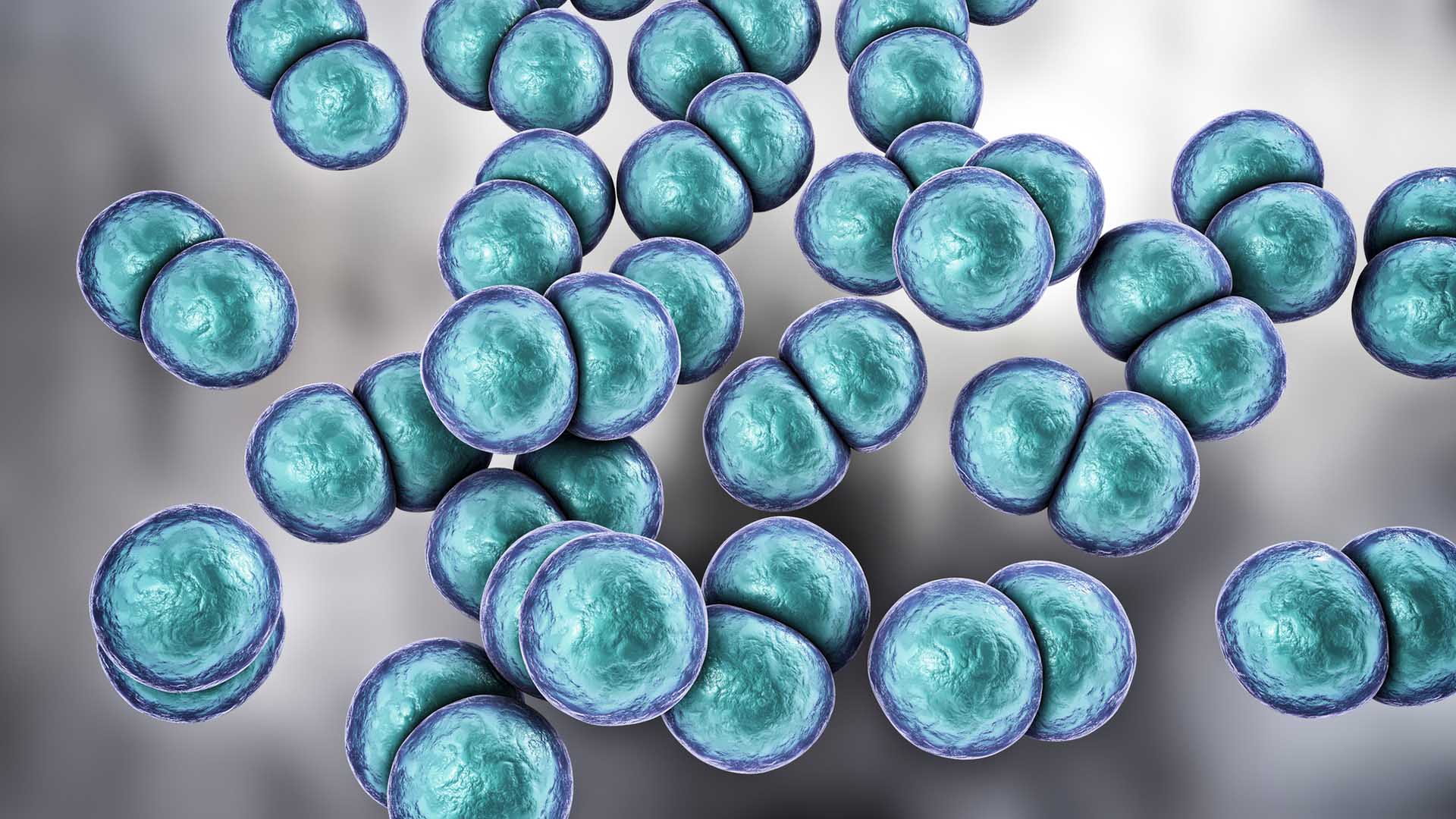
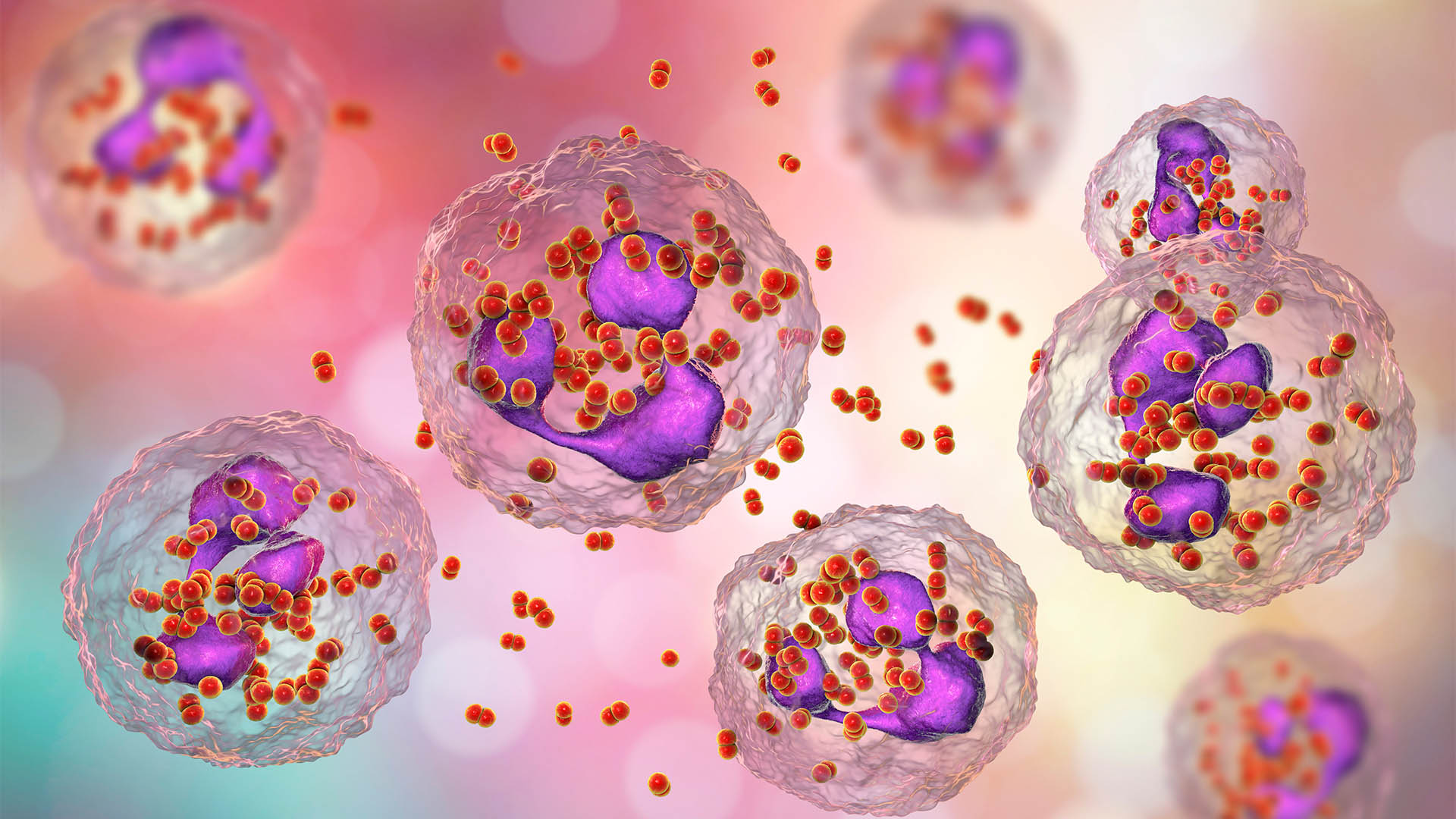
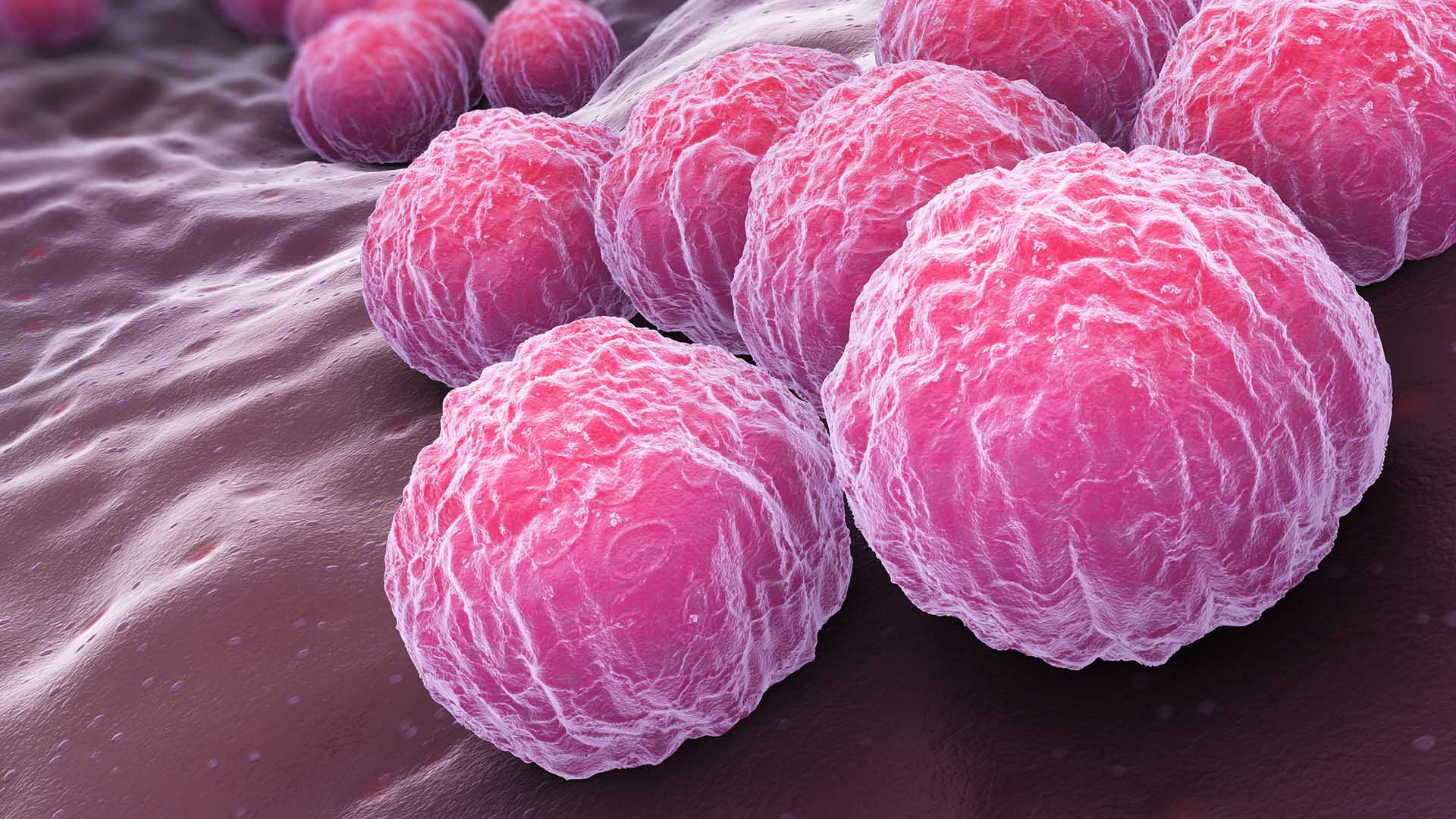
Chlamydia is a common bacterial sexually transmitted infection (STI) spread through unprotected sexual contact with an infected partner, including vaginal, anal or oral sex. It can infect the cervix, urethra, rectum and occasionally the throat and eyes. People under 30 are most at risk but it can affect anyone who is sexually active. An infected mother can also pass chlamydia to her baby during childbirth.    

  • What are the symptoms of chlamydia?

    Chlamydia is often called the “silent infection” because 85-90% of people do not experience any symptoms. If symptoms do appear, they usually develop within 1 to 3 weeks of exposure. 

    In women, symptoms may include: 

    • Unusual vaginal discharge 
    • Burning or stinging when urinating 
    • Pain during sex 
    • Bleeding between periods or after sex 
    • Lower abdominal or pelvic pain 

    Most women with chlamydia are asymptomatic.  

    In men, symptoms may include: 

    • Discharge from the penis 
    • Redness at the opening of the penis 
    • Painful urination (burning or stinging) 
    • Sore or swollen testicles 

    Many men also experience no symptoms.  

    Rectal infection 

    • Chlamydia can infect the rectum, causing rectal pain and discharge.  
  • What happens if chlamydia is left untreated? 

    If left untreated, chlamydia can lead to serious health complications. In women, it may cause pelvic inflammatory disease (PID), which can result in chronic pelvic pain, ectopic pregnancy and infertility. In men, it can lead to epididymitis (inflammation of the tube that carries sperm), which may also affect fertility. Long-term untreated infections can cause permanent damage to reproductive organs.   

  • What does chlamydia testing involve? 

    Chlamydia is diagnosed through either: 

    • A swab of secretion or discharge from the infected area (e.g cervix, vagina, urethra, anus or throat), or 
    • A urine sample, which is suitable for genital infections 
  • How can I get tested for chlamydia? 

    Testing for chlamydia is bulk-billed and confidential (note: private GP consultation fees may apply). To get tested: 

    1. Book an appointment with your GP to discuss your sexual health and request an STI screen. This includes testing for chlamydia, gonorrhoea, syphilis and HIV.  
    2. Urine and swab samples are usually collected at the medical clinic and sent to Clinical Labs for testing.
    3. Bloods tests can be completed at any Clinical Labs collection centre. All pathology request forms are accepted.
  • What is the treatment for chlamydia? 

    Chlamydia is easily treated with a short course of antibiotics.  

    To prevent reinfection: 

    • Avoid sexual contact for 7 days, after you and your current partner have completed treatment. 

    Follow-up testing is recommended: 

    • 3 months later to check for reinfection 
    • 1 month later if you had anal chlamydia 
  • What else should I know about chlamydia? 

    • Because chlamydia often has no symptoms, regular sexual health screening is important, especially if you are aged 15-29 or have new or multiple partners. 
    • If you test positive, your sexual partner(s) should also be tested and treated to prevent reinfection. 
    • Being infected with chlamydia increases your risk of contracting other STIs, including HIV. 
  •  
    Additional Resources